
In a world where you can manage banking, book travel, and track packages across multiple devices without skipping a beat, patients expect the same seamless service from their healthcare providers. All too often, however, they are met with long hold times, siloed departments, and the frustrating task of repeating their story. This fragmented communication creates a poor Patient Experience [6] and directly harms healthcare patient satisfaction.
The solution lies in a unified approach: healthcare omnichannel communication. Unlike a multichannel strategy that simply offers different ways to connect, an omnichannel communication platform integrates every channel into one continuous, intelligent conversation [1]. This ensures context follows the patient, whether they move from a web chat to a phone call or receive a follow-up text. A key metric for measuring this success is the CSAT (Customer Satisfaction) score, which gauges how happy a patient is with their experience [11].
Let’s explore seven proven ways your organization can use an omnichannel strategy to lift CSAT scores, boost efficiency, and build lasting patient trust.
What Is an Omnichannel Communication Strategy?
It’s easy to confuse “multichannel” with “omnichannel,” but the difference is critical for the Patient Experience. A multichannel approach gives patients multiple ways to get in touch—like phone, email, and a patient portal—but these channels operate in isolation. A patient has to repeat their issue when switching from a chatbot to a live agent because the conversation history doesn’t carry over. Xima handles these channels through multi-channel communications.
An omnichannel approach, by contrast, integrates these channels into a single, unified system [3]. Think of it this way: multichannel is like having different roads that all lead to the same city, while omnichannel is an interconnected highway system that makes travel between any two points seamless. The context of the conversation follows the patient, creating a low-effort, consistent experience no matter how they choose to engage.
A significant risk, however, is implementing a “fake” omnichannel system where channels are present but not truly integrated, which can cause even more frustration. Powering a true omnichannel journey requires a robust, unified platform. A cloud-based omnichannel contact center like Xima Software serves as the engine, unifying all patient communications into one intelligent hub to deliver a genuinely seamless experience.
7 Proven Ways to Boost Patient Satisfaction with Omnichannel Communication
1. Implement Smart Healthcare Call Deflection
Effective healthcare call deflection strategies aren’t about avoiding patients. They are about empowering them by guiding them to faster, more convenient channels for their specific needs. This reduces frustrating hold times and frees up staff to handle more complex issues.
Consider these examples:
An IVR message offers to send an SMS with a direct link to schedule an appointment online.
A website chatbot instantly answers questions about office hours, directions, or insurance coverage.
A queue callback option allows patients to hang up and receive a call from the next available agent without losing their place in line.
The Tradeoff: Implemented poorly, call deflection can feel obstructive. The goal must be empowerment, not avoidance. Self-service channels must be effective and always provide a clear, easy path to a live agent.
By implementing these tactics thoughtfully, you provide immediate value to your patients while making your contact center more efficient. Platforms like Xima enable this intelligent routing, helping you reduce metrics like Average Handle Time (AHT) and improve overall service levels. Xima’s contact center software for healthcare supports patient communication across these channels.
2. Personalize Every Patient Interaction
Personalization is a cornerstone of modern patient care [2]. An omnichannel platform gives agents a complete, chronological history of a patient’s interactions across every channel. When an agent can see a patient was just on the website trying to pay a bill, they can address the issue proactively without making the patient explain the situation from the beginning. This level of context-aware service makes patients feel seen and understood, which is fundamental to building trust.
The Tradeoff: This 360-degree patient view contains sensitive Protected Health Information (PHI). The data must be managed with strict adherence to HIPAA and other privacy regulations. Your platform must have enterprise-grade security controls to mitigate the significant risk of a data breach.
By equipping agents with a complete view within a secure environment, you empower them to deliver more empathetic and effective care. Xima’s unified agent desktop integrates with your EHR/CRM to provide this single-pane-of-glass view, revolutionizing how your team communicates with patients.
3. Empower Patients with 24/7 AI-Powered Support
Patient needs don’t stick to a 9-to-5 schedule. AI-powered chatbots and virtual assistants can provide round-the-clock support for routine tasks, significantly enhancing accessibility.
AI is ideal for handling:
Frequently Asked Questions (FAQs) about services, policies, and preparations for procedures.
Appointment Scheduling and reminders.
Basic Triage to guide patients to the correct department or resource.
The Tradeoff: A poorly trained AI bot can damage patient trust more than no bot at all. The AI must be able to recognize its limitations and provide a seamless, context-preserved handoff to a live agent. A frustrating automated loop is a major CSAT killer.
Xima’s AI solutions integrate directly into the omnichannel ecosystem, providing this 24/7 support layer and ensuring a smooth transition to a human agent when needed—complete with the full conversation history.
4. Unify Communication Channels for a Seamless Journey
A truly omnichannel experience means a patient can start a conversation on a web chat, escalate it to a phone call, and receive a follow-up summary via email—all as part of a single, continuous interaction thread [4]. This requires technically unifying all your communication channels, including:
Voice
Email
SMS/Text Messaging
Web Chat
Patient Portals
The Tradeoff: The primary challenge is technical complexity. Integrating legacy systems with modern cloud platforms can be a significant undertaking. A partial or clumsy integration can create new data silos and friction points, defeating the purpose of the strategy.
Breaking down these communication silos is essential for delivering the consistent experience patients expect. Xima Software is designed to do exactly this, creating a single source of truth for all communications. For example, Fairfax Pediatric Associates used Xima to streamline their communications, reduce wait times, and improve their overall patient journey.
5. Shift to Proactive Patient Outreach
Exceptional service isn’t just about responding to inquiries; it’s about anticipating patient needs [5]. Omnichannel tools are perfect for managing proactive outreach that improves health outcomes and deepens patient relationships.
Examples of valuable proactive outreach include:
Automated appointment reminders sent via SMS or email to reduce no-show rates.
Post-visit follow-up messages asking for feedback—an excellent way to capture CSAT data.
Notifications that test results are available in the patient portal.
The Tradeoff: Patients can quickly suffer from “communication fatigue.” Too many messages, or messages sent through the wrong channel, can feel like spam. Outreach must be relevant, timely, and honor patient preferences.
This strategy improves healthcare patient satisfaction and promotes better health management. Xima’s platform can automate and manage these proactive outreach campaigns across the channels your patients prefer most.
6. Equip Agents with Better Tools and Data
You can’t achieve a great Patient Experience without a great agent experience. Overwhelmed and under-equipped agents struggle to provide high-quality care. One of the top healthcare call center best practices is providing your team with the right tools.
In an omnichannel environment, this includes:
A unified desktop showing all patient interaction history in one place.
Real-time analytics and dashboards to track performance and queue status.
Access to a centralized and up-to-date knowledge base.
The Tradeoff: Without a well-designed interface and proper training, agents can suffer from information overload. A cluttered screen with too much data can be just as paralyzing as too little. The agent’s user experience is just as important as the patient’s.
These tools reduce agent stress and allow them to focus on what matters most: providing empathetic and efficient support. Xima provides agents with this real-time data and gives supervisors powerful coaching and reporting tools, as demonstrated in our healthcare customer success stories.
7. Use Omnichannel Analytics for Continuous Improvement
An omnichannel platform generates a wealth of data across every patient touchpoint. The key is turning this data into actionable insights to drive continuous improvement. By measuring the customer experience effectively, you can identify friction points and make data-driven decisions based on feedback mechanisms like the HCAHPS survey [12].
Use omnichannel analytics to:
Track CSAT scores by channel to understand what’s working and what isn’t.
Analyze entire patient journeys to pinpoint where they struggle or drop off.
Leverage speech and text analytics to uncover the root cause of inquiries and understand patient sentiment.
The Tradeoff: It’s easy to fall into “analysis paralysis.” Collecting data is simple, but interpreting it and acting on it is hard. Without a clear strategy for what to measure, your data can become a distraction rather than a tool for improvement.
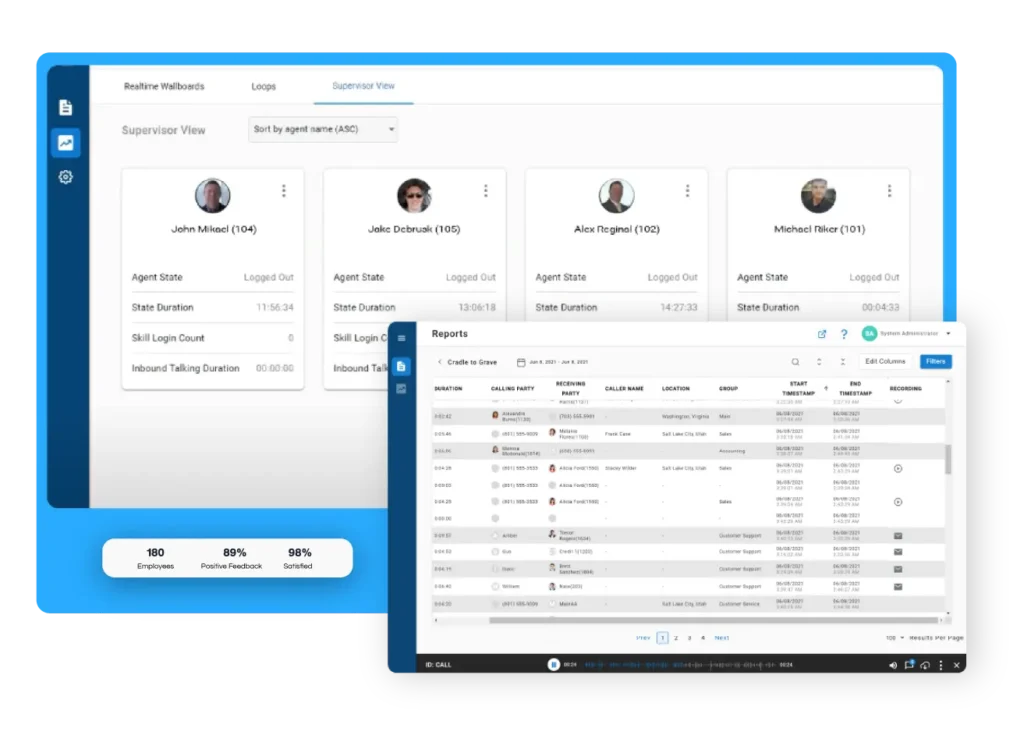
Xima’s powerful analytics suite offers cradle-to-grave reporting and AI-driven sentiment analysis, with customizable real-time analytics dashboards that provide a holistic view of your contact center’s impact on healthcare patient satisfaction.
Building Better Connections for Better Care
In today’s competitive healthcare landscape, an omnichannel communication strategy is the key to creating the seamless, personalized, and efficient experiences that build patient trust and drive satisfaction. By thoughtfully implementing these strategies, you can transform your patient communications from a source of friction into a true competitive advantage.
Implement smart call deflection.
Personalize every interaction.
Offer 24/7 AI-powered support.
Unify all communication channels.
Shift to proactive patient outreach.
Equip agents with better tools and data.
Use analytics for continuous improvement.
Investing in your communication technology is an investment in your patients. Ready to transform your Patient Experience with a true omnichannel solution? Request a Demo of Xima today and see how we help healthcare providers like you build better connections.