The modern patient journey is more than just the time spent in a clinic; it includes every interaction, from scheduling an appointment to understanding a bill. Today, patient expectations for a smooth, responsive service are higher than ever, with 92% of individuals saying the patient experience is extremely important [1]. The main challenge for many healthcare organizations is that they are full of data but often struggle to find actionable, real-time insights. This gap can negatively impact the overall patient experience.
The High Cost of Operational Blind Spots
The core problem isn’t a lack of data, but a lack of clarity. Many teams still depend on static spreadsheets and old reports. This lack of real-time reporting and visibility creates blind spots in service performance, forcing leaders to make decisions based on guesswork rather than solid evidence.
These blind spots have real consequences for the patient experience:
- Long hold times and abandoned calls, which can discourage patients and cause them to delay care.
- Frustrating transfers and repeat calls, which creates friction and wastes everyone’s time.
- Increased staff burnout from managing high call volumes without the right tools or support.
These barriers are a major issue. Data shows that nearly 50% of U.S. adults have put off or skipped healthcare because of challenges with access and cost [1].
How Real-Time Analytics Creates Clarity and Confidence
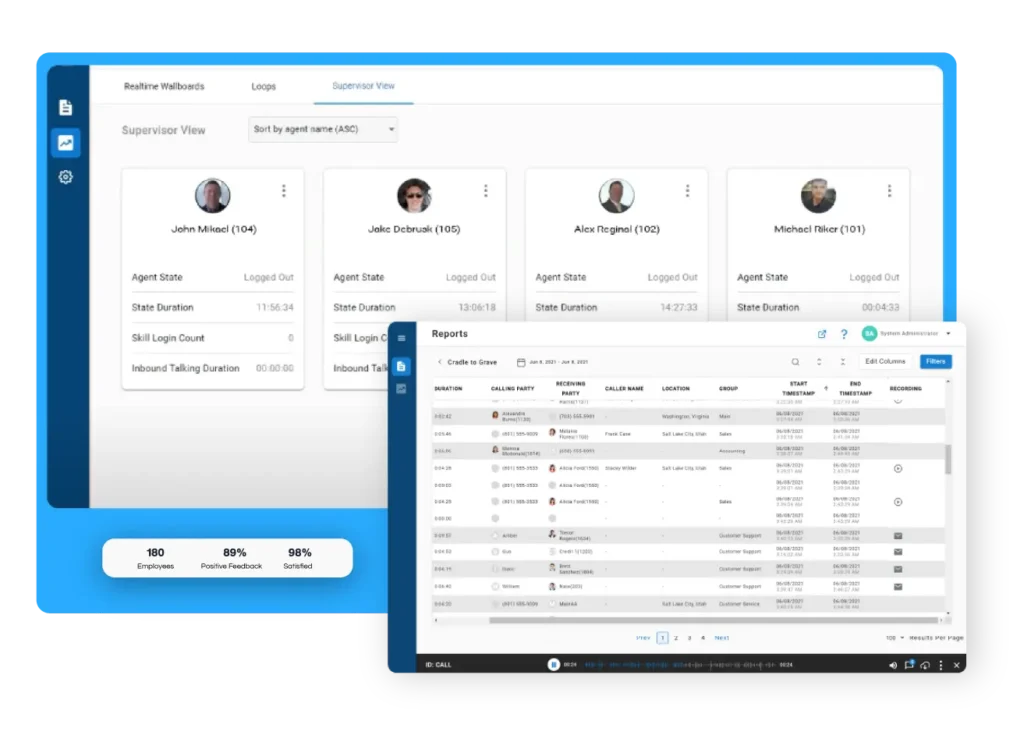
Real-time analytics platforms, like the solutions offered by Xima Software, turn raw operational data into clear, easy-to-understand insights. This allows healthcare leaders to see exactly what is happening from moment to moment and respond effectively, instead of just reacting to problems after the fact.
Enhance Patient Access and Communication
Real-time analytics gives you instant visibility into key contact center metrics like call volumes, queue wait times, transfer rates, and abandoned calls. By monitoring this data, managers can make smarter decisions on the fly, such as adjusting staffing levels or improving workflows to shorten patient hold times. This focus on improving the basics helps teams achieve better first-call resolution, which is a major factor in patient satisfaction and can greatly improve access to healthcare.
Move from Reactive Support to Predictive Insights
The next step in analytics is using artificial intelligence (AI) and machine learning to predict trends before they happen. AI can look at past data to forecast when call volumes might surge, allowing managers to proactively adjust staffing. More importantly, AI-powered analytics in healthcare contact centers can uncover the root causes of patient issues, showing you why things are happening, not just what happened. Similar predictive power is already making a difference in clinical settings. For example, Fresenius Medical Care used real-time predictive analytics to help save the lives of dialysis patients [8].
Drive Financial and Operational Performance
A better patient experience also directly benefits an organization’s bottom line. Research from Deloitte shows that hospitals with better patient-reported experiences often see higher profitability [4]. When you improve operations—like streamlining billing support or optimizing scheduling—you not only make patients happier but also reduce administrative costs and improve revenue.
Real-World Impact: Analytics in Action
While the overall patient experience has recently reached a five-year high, there are still significant gaps between different patient groups and care settings [5]. Forward-thinking healthcare organizations are using real-time analytics to close these gaps and improve service for everyone.
Case Study: Privia Medical Group
Privia Medical Group, a large multi-specialty provider, faced the challenge of centralizing reports from its many different call centers. They needed a single, clear view of their operations. By partnering with Xima Software, Privia gained a unified dashboard showing call volume, team activity, and queue performance across the board.
The results were transformative:
- Consistent service across all their locations.
- Improved patient service delivery by quickly identifying and resolving issues.
- Reduced reliance on manual reporting, which freed up managers’ time for more important tasks.
Implementing Your Real-Time Analytics Strategy
For healthcare leaders looking to get started, the goal is to build a system that supports daily action, not just periodic reviews.
1. Integrate Your Data Sources
The first step is to bring all your data together. To get a complete picture of the patient journey, you need to connect information from separate systems like your call platform, Electronic Health Records (EHRs), and scheduling tools.
2. Provide Role-Specific Dashboards
Reports are most useful when they are tailored to the person viewing them. Leaders need high-level summaries of key performance indicators (KPIs), while frontline managers need detailed insights into agent and queue activity to make immediate adjustments.
3. Prioritize Security and Compliance
Any technology that handles patient information must be built with privacy and security as top priorities. It is essential to ensure your analytics platform is HIPAA-compliant and uses strong security measures like data encryption. This protects patient trust and ensures you are handling data securely.
Conclusion: From Insights to a Better Experience
Many operational challenges come from a simple lack of visibility. Real-time analytics provides the clarity needed to act with confidence. But data by itself is not a magic bullet; it needs to be paired with well-defined processes and teams who are empowered to act on the insights. When analytics becomes a core part of your improvement strategy, it helps your teams deliver a more consistent and positive patient experience. Investing in strategic reporting for your healthcare organization is an investment in your patients, your staff, and your future.