In the competitive landscape of March 2026, a disconnected customer experience isn’t just an inconvenience—it’s a direct threat to your revenue and reputation. Today’s customers don’t see departments or communication channels; they see one brand, and they expect one seamless, intelligent conversation. Failing to deliver on this expectation means losing business to competitors who have engineered their systems to succeed.
This guide moves beyond high-level strategy to explore the technical foundations of a superior customer journey. Let’s dive into what unified customer experience solutions are, why siloed system architectures create critical business risks, and how a modern platform like Xima AI Cloud provides the technology to unify your entire customer ecosystem.
What Is a Unified Customer Experience (and Why Does It Matter)?
Engineering one continuous, contextual conversation with your customers.
A unified customer experience (CX) is the practice of creating a single, seamless, and consistent journey for a customer across every touchpoint. Whether a user initiates a query on your website chat, follows up via email, and later calls your support line, their experience should feel like one continuous conversation where interaction context is never lost.
This highlights the crucial technical difference between legacy multichannel and modern omnichannel strategies:
Multichannel: You offer support on various channels (phone, email, chat), but they operate in technical isolation. An agent on the phone has no visibility into a customer’s prior web chat because the data resides in a separate application database, forcing the customer to repeat their issue.
Omnichannel: All your channels are deeply integrated into a single platform, feeding interaction and context into a centralized data layer. This creates a persistent conversation history, allowing an agent to see a customer’s entire journey and pick up right where they left off, regardless of the channel.
Customers now demand this level of intelligent consistency. In fact, unified data platforms have become the minimum technical standard for modern CX [1]. Failing to provide a connected journey damages customer trust and brand loyalty, which is why a superior customer experience is fundamental to long-term business success.
How Do Siloed Systems Undermine Your Customer Service?
If your communication channels, Customer Relationship Management (CRM) system, and other business applications don’t talk to each other, you are actively creating friction for both your customers and your agents. These disjointed architectures, often built on legacy on-premise hardware, create significant operational challenges that directly impact efficiency, morale, and your bottom line.
Data Fragmentation Erodes Trust and Wastes Time
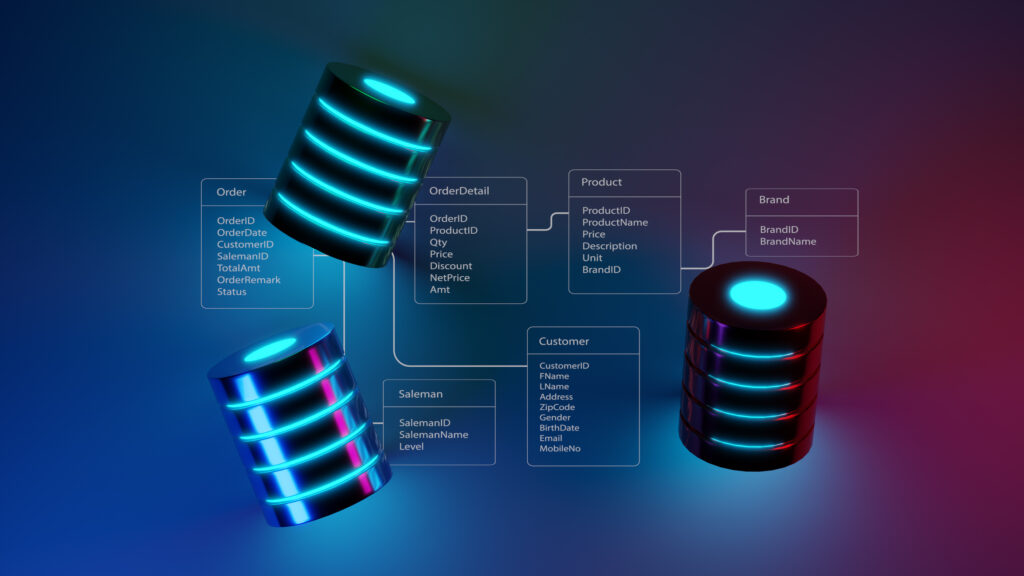
Imagine a customer spends ten minutes detailing an issue with a chatbot. The issue is escalated to a live agent, who then asks, “Can you please tell me how I can help you?” This is the frustrating result of data fragmentation, where interaction data is locked within channel-specific applications with disparate databases and proprietary data formats that prevent interoperability.
When agents cannot access a unified customer history, they must re-authenticate and re-collect information. This inflates Average Handle Time (AHT)—the average duration of a single transaction—and erodes customer trust. The only way to build a complete, actionable customer profile is to integrate disparate data sources into your core communications platform.
Inconsistent Agent Workflows Lead to Burnout
In a siloed environment, agents are forced into a “swivel chair” workflow, constantly toggling between multiple applications—a telephony client, an email client, a separate chat window, and a CRM—to handle a single customer interaction. This constant context-switching increases cognitive load, a key driver of agent burnout, human error, and reduced productivity. When your team is fighting its tools, it’s impossible to boost agent performance and deliver consistently great service [3].
A Lack of Holistic Insights Prevents Improvement
How can you improve what you can’t measure holistically? With siloed data, leaders are left with a collection of incomplete, channel-specific reports. You might see call volume from your phone system and first-response time from your chat tool, but you can’t connect a poor chat experience to a subsequent high-effort phone call from the same customer.
This makes it impossible to accurately track and optimize the key metrics that define the health of your customer relationships, such as:
Customer Satisfaction (CSAT): A transactional metric measuring satisfaction with a specific interaction.
Net Promoter Score (NPS): A relationship metric measuring overall brand loyalty.
Customer Effort Score (CES): A transactional metric measuring how easy it was for a customer to get their issue resolved.
Without a unified data model, you’re flying blind, unable to make strategic, data-driven improvements.
How Does a Cloud-Based Omnichannel Platform Create Unity?
The definitive solution to data silos and fragmented experiences is a cloud-based omnichannel contact center. This technology is built on a modern, cloud-native architecture specifically designed to unify all communication channels, data sources, and agent workflows into a single, cohesive platform.
This solution is delivered as Contact Center as a Service (CCaaS)—a flexible, cloud-native software subscription model that provides advanced tools without the high capital expenditure and maintenance overhead of on-premise hardware. A modern cloud contact center platform is the engine for unlocking faster, more consistent CX.
Key benefits of adopting omnichannel contact center software include:
A Truly Seamless Customer Journey: By centralizing interaction data, customers can switch channels (e.g., from web chat to a voice call) without losing context or having to repeat themselves [5].
An Empowered, Efficient Team: Agents work from a single, unified desktop that presents a complete, chronological view of the customer’s history, enabling them to provide faster, personalized, and more effective service.
Centralized Data for Actionable Insights: A unified data model provides supervisors with a single source of truth, enabling true cross-channel performance analysis and cradle-to-grave journey mapping.
Elastic Scalability to Meet Demand: True cloud solutions automatically scale resources up or down to handle fluctuating interaction volumes, allowing you to manage costs effectively while maintaining exceptional service levels.
See how a modern CCaaS platform can transform your service delivery. Learn more about Xima AI Cloud.
Unify Your CX with Key Features of Xima AI Cloud
Transitioning from a fragmented system to a unified one requires a partner with the right technology—a platform that not only connects channels but also injects intelligence into every interaction.
Xima AI Cloud is a purpose-built omnichannel contact center software designed to bring all your customer communications together.
Xima AI Cloud provides the powerful, integrated features needed to build a true unified customer experience solution. Its platform is engineered for power and flexibility, offering a comprehensive toolkit for industries from retail to healthcare and finance [2].
Here’s how Xima’s key features solve the technical challenges of a siloed environment:
True Omnichannel Architecture: To eliminate data fragmentation, Xima provides a single multi-channel customer engagement platform to manage voice, chat, email, SMS, and social media. Every interaction is ingested into a unified data stream tied to a persistent customer profile, creating fully connected communications and eliminating data silos for good.
AI-Powered Skills-Based Routing: To fix inefficient routing, Xima’s intelligent engine directs customers to the best-qualified agent. It analyzes intent from chat keywords or IVR responses, CRM data, historical interactions, and agent skill sets to make an optimal match, dramatically improving First Call Resolution (FCR) and boosting CSAT.
Intelligent Queue Callback: To reduce customer frustration and call abandonment, this feature respects their time. Instead of waiting on hold, they can request a callback while the system holds their virtual place in line. The platform automatically initiates the outbound call when an agent is free, helping to smooth out peak traffic loads on your agents.
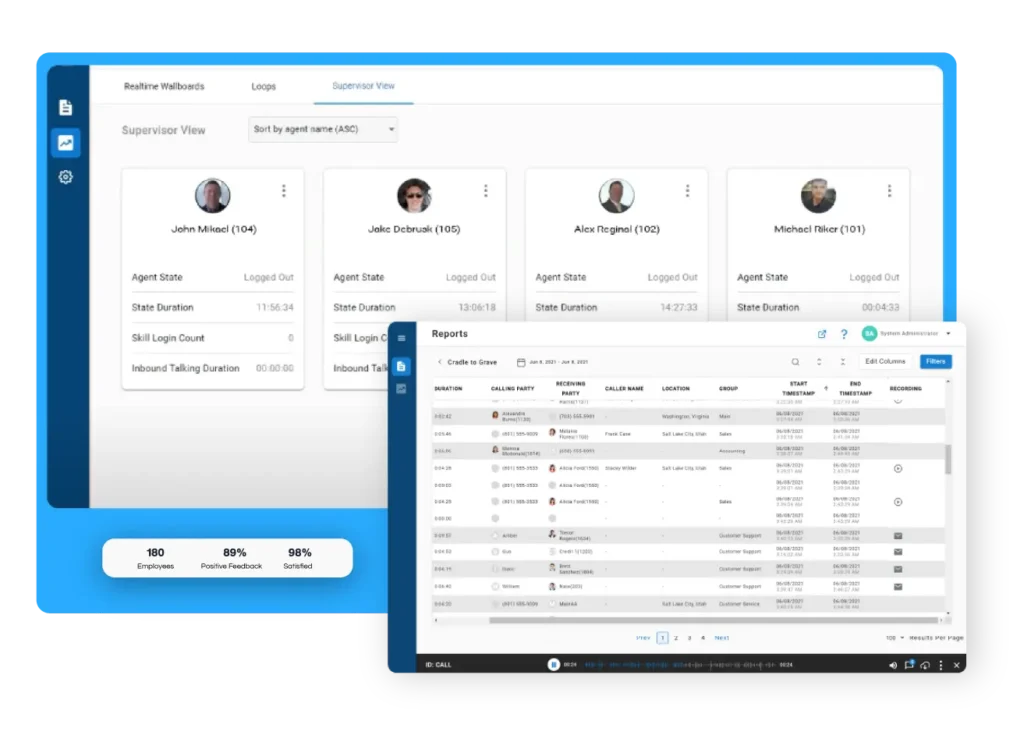
Comprehensive Analytics and Reporting: To solve the problem of siloed insights, Xima gives supervisors a unified dashboard with real-time analytics and cradle-to-grave historical reports from every channel. This single source of truth powers effective agent coaching and strategic, data-driven improvements. See these capabilities in our cloud contact center solution.
AI for Agent Empowerment: To reduce agent effort, Xima integrates AI-powered tools that provide real-time assistance. Features like transcription, sentiment analysis alerts, and AI-powered knowledge base recommendations are pushed directly into the agent’s workspace, empowering them to resolve complex issues faster.
How to Get Started with a Unified Customer Experience
Adopting a unified model is a strategic journey that delivers compounding returns in customer loyalty and operational efficiency. Here are three actionable steps to begin.
1. Perform a Customer Journey and Systems Audit
First, map a common customer journey from start to finish. Trace the path for a routine task, like a product return or a technical support query. As a team, ask these critical questions:
Where are the data handoffs failing between channels and our CRM?
At what points do agents have to switch screens to find information?
Which processes force customers to repeat themselves?
What is the most frustrating part of this process for both the customer and the agent?
This exercise will immediately expose the technical and process-related friction points that need to be fixed.
2. Establish Metric-Driven CX Objectives
Next, translate your audit findings into clear, measurable goals. Vague objectives like “improve CX” are not enough. Instead, frame your targets with specific metrics. For example:
“Reduce Average Handle Time (AHT) by 25% by unifying customer data in a single agent desktop.”
“Improve our Customer Effort Score (CES) by 15% by eliminating channel-switching friction.”
“Increase our First Call Resolution (FCR) rate by 20% by implementing AI-powered skills-based routing.”
3. Partner with a True Omnichannel Expert
Legacy systems and stitched-together point solutions cannot deliver the seamless experience modern customers expect. It’s time to explore a powerful, all-in-one platform built for the future of CX. Partnering with an expert like Xima Software ensures you have the technology, intelligence, and dedicated support to achieve your CX vision.
A unified customer experience is no longer optional—it’s essential for survival and growth. By bringing your people, processes, and technology together on one intelligent platform, you can eliminate friction and deliver the world-class service your customers demand.
Ready to eliminate silos and deliver the seamless experience your customers deserve? Request a Demo of Xima AI Cloud today and see our unified solution in action.