UCaaS vs CCaaS – How do you know which one is right for your business? Understanding the difference between Unified Communications as a Service (UCaaS) and Contact Center as a Service (CCaaS) ensures you avoid overlapping software costs. In this guide, we’ll break down what sets these solutions apart, how they complement each other, and when it makes sense to use one (or both) to optimize your business communications.
Key Takeaways
- UCaaS is for internal teams. It moves your office phone system to the cloud to bundle employee chat, video meetings, and file sharing for daily collaboration.
- CCaaS is for customer support. It replaces traditional call center hardware with cloud tools built specifically to manage customer queues, support channels, and routing menus.
- Connecting both UCaaS and CCaaS platforms blends your back-office staff with your front-line support agents, removing disconnected tools and lowering software costs.
What is UCaaS?
Unified Communications as a Service (UCaaS) is a cloud-based platform that integrates multiple communication tools—such as voice, video conferencing, messaging, and file sharing—into a single, unified system. Instead of juggling different tools, businesses can use UCaaS to create a seamless communication experience, making it easier for employees to connect no matter where they are.
UCaaS helps enhance productivity by integrating with other business tools like CRM systems and project management platforms. Features like presence indicators, call forwarding, and AI-driven automation help ensure seamless interactions, keeping workflows efficient and employees focused. UCaaS provides businesses the scalability and reliability needed to adapt to changing demands, whether its in a single office or across multiple locations.
Benefits of UCaaS for Businesses
UCaaS brings flexibility and efficiency to modern business communications. It benefits businesses through:
- Seamless Collaboration: Integrates voice, video, messaging, and file sharing for a unified experience.
- Scalability: Easily adapts to business growth, hybrid work models, and multiple locations without major infrastructure changes.
- Increased Productivity: Eliminates the need to switch between apps, helping employees communicate more efficiently.
- Advanced Features: AI-driven automation, presence indicators, and real-time analytics improve workflow and performance.
- Reliability and Security: Cloud-based security and redundancy ensure business continuity, even in unexpected situations.
- Cost Savings: Reduces the need for on-premise hardware and maintenance, lowering IT costs.
- Integrations: Connects with CRMs, project management tools, and other business applications to create a more efficient workflow.
Potential Challenges of UCaaS
Despite its advantages, UCaaS does come with potential challenges that businesses should consider before making the switch, including:
- Network Dependency: A strong, high-bandwidth internet connection is required to avoid call drops, lag, or poor video quality.
- Adoption & Training: Employees used to traditional phone systems may need training to transition smoothly.
- Integration with Existing Systems: Some businesses may need to customize UCaaS solutions to work seamlessly with their current software stack.
- Cost of Implementation: While UCaaS reduces long-term costs, initial setup expenses—such as migration, integration, and training—can add up.
What is CCaaS?
Contact Center as a Service (CCaaS) is a cloud-based solution designed to manage customer interactions across multiple channels, including voice, email, chat, and social media. Unlike traditional on-premise call centers, CCaaS eliminates the need for expensive infrastructure, allowing businesses to scale their customer support operations with greater flexibility.
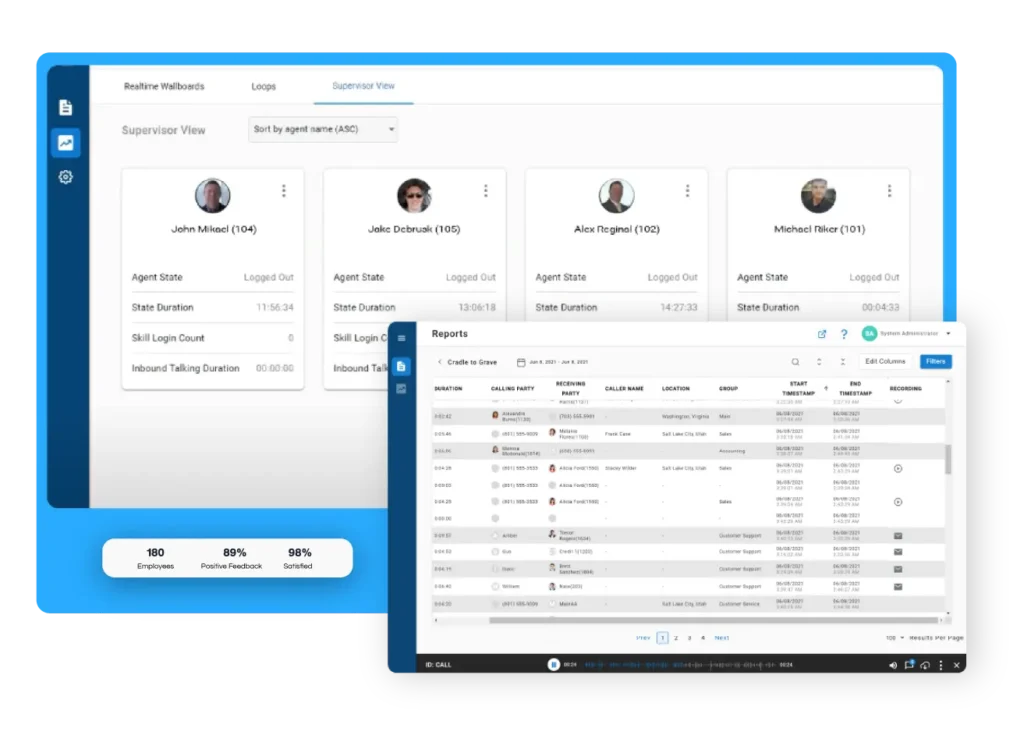
CCaaS platforms also integrate with CRM systems and other business tools to give agents real-time customer data. This enables faster resolutions, better service personalization, and improved overall customer satisfaction. With built-in reporting and workforce management capabilities, businesses can optimize staffing, monitor performance, and make data-driven improvements. Xima’s cloud contact center software sits on the CCaaS side of this comparison.
Benefits of CCaaS for Businesses
CCaaS transforms customer service by providing the following:
- Omnichannel Support: Manages customer interactions across voice, chat, email, and social media from a single platform.
- Scalability & Flexibility: Easily adjusts to seasonal demand, remote teams, and business growth without costly infrastructure upgrades.
- Intelligent Call Routing: Uses AI-driven tools and IVR systems to direct customers to the right agent faster.
- Advanced Analytics & Reporting: Tracks key performance metrics to optimize staffing, service levels, and agent performance.
- Cost Efficiency: Does not require expensive on-premise equipment.
Potential Challenges of CCaaS
Although CCaaS can offer significant benefits, it isn’t without its drawbacks.
- Network Reliability: Because CCaaS is cloud-based, poor internet connectivity can impact call quality and responsiveness.
- Agent Training & Adoption: Teams used to traditional call center systems may need time to adapt to new tools and workflows.
- Integration Complexity: While CCaaS integrates with many CRMs and business tools, ensuring seamless compatibility with legacy systems may require customization.
- Cost of Migration & Implementation: Migrating from an on-premise system to CCaaS may involve initial setup costs, including data migration and training.
UCaaS vs CCaaS: Key Differences
Characteristic | UCaaS | CCaaS |
Primary Function | Internal communication and collaboration | Customer support and service management |
Best for | Businesses that need to connect hybrid employees, run internal video meetings, and streamline daily office communication. | Contact centers that need to manage customer support lines, handle high call volumes, and track agent performance metrics. |
Communication Channels | Voice Video Messaging File sharing
| Voice Chat Email Social media
|
Scalability | Easily scales with business growth | Adjustable based on fluctuating service demand |
Integration Capabilities | Email Project management Calendars Productivity tools
| |
Cost Structure | Predictable flat rate per employee; tiers are based on specific features. | Variable or higher rate per active agent seat; heavily influenced by call volume and data tracking. |
Impact on Customer Experience | Improves internal collaboration, leading to better customer support and faster response times | Directly enhances customer interactions through personalized, efficient support |
UCaaS vs CCaaS: Which is Right for Your Business?
Choosing between UCaaS and CCaaS depends on your business’s communication needs. If your primary focus is improving internal collaboration, streamlining workflows, and enabling seamless communication among employees, UCaaS is the right fit. Businesses looking to enhance productivity and reduce IT overhead by moving away from on-premise communication systems will benefit the most from UCaaS.
On the other hand, if your priority is delivering exceptional customer service and managing high volumes of customer interactions, CCaaS is the better choice. Companies that rely on call centers, help desks, or customer support teams will see the greatest return from CCaaS.
In many cases, businesses don’t have to choose one over the other. Integrating UCaaS and CCaaS allows employees to collaborate effectively while also delivering exceptional customer service. Businesses that prioritize both internal efficiency and customer satisfaction benefit the most from a hybrid approach.
Conclusion
UCaaS and CCaaS serve distinct purposes, but both play critical roles in modern business communication. Whether you’re looking to enhance internal collaboration, improve customer service, or implement a combination of both, choosing the right solution depends on your business goals and operational needs.
Still not sure which solution is right for you? Whether you’re considering UCaaS, CCaaS, or both, the experts at Xima Software can help you find the best fit for your business. Book a demo today to explore your options and take your communication strategy to the next level.
UCaaS vs CCaaS FAQs