
Switching contact center providers can feel overwhelming for small and mid-sized businesses. Customer conversations cannot pause, agents already juggle multiple responsibilities, and a misstep during migration can create frustration for both teams and customers. Still, staying on a platform that no longer fits can quietly hold growth back.
This guide breaks down how to evaluate CCaaS providers, compare essential features, and move to a new contact center platform without slowing down service. Whether your team has outgrown its current system or needs better visibility, automation, or integrations, a thoughtful approach can make switching manageable and worthwhile.
Features That Matter Most When Comparing CCaaS Providers
Modern CCaaS platforms are designed to replace rigid, outdated systems with tools that are easier to use, easier to scale, and better aligned with how small teams actually work. When comparing providers, focus on practical capabilities that support adoption and reduce friction during the transition.
Omnichannel Tools and Routing
Omnichannel communication keeps voice, chat, email, and messaging channels connected in one place. This prevents conversations from being lost or duplicated while teams adjust to a new system. Smart routing also helps agents work from a single interface instead of switching between tools, which reduces errors and improves response times during the changeover.
Automation and AI
Automation plays a major role in reducing strain during a transition. Features like call transcription, conversation summaries, and guided responses help agents stay productive without adding extra steps. AI-driven self-service options also help deflect routine inquiries, which lowers call volume while teams get comfortable with new workflows.
Reporting and Quality Management
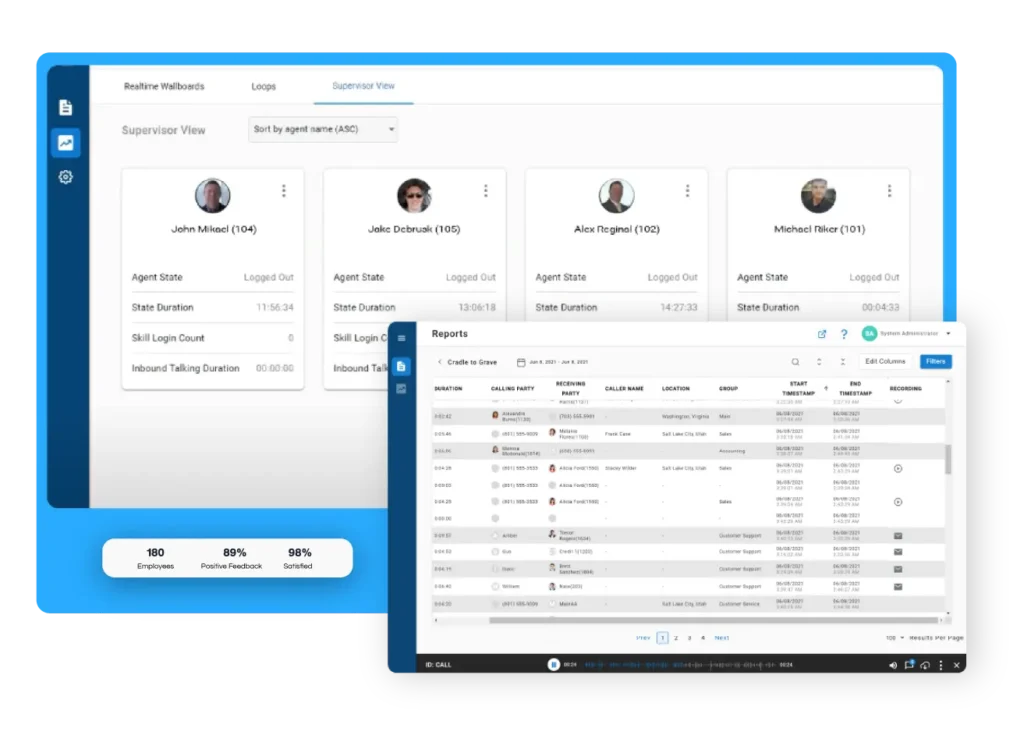
Clear reporting makes it easier to spot issues early and measure progress after the switch. Real-time dashboards and quality management tools give supervisors insight into agent performance, customer trends, and adoption gaps. That visibility helps maintain consistent service levels while the platform is rolled out.
Integrations
Clean integrations reduce switching friction by keeping customer history and workflows intact. Look for providers that connect easily with CRMs, helpdesk tools, and internal systems without requiring heavy IT involvement. Strong integration support helps teams stay focused on customers rather than rebuilding processes from scratch. Xima’s extensive integrations are designed to support this continuity for growing teams.
Industry Requirements and Compliance Needs
Different industries rely on CCaaS platforms for very specific reasons. Confirming that a provider understands your operational environment helps prevent disruptions during migration.
Regulated and Specialized Environments
Industries like healthcare, finance, government, and retail often follow strict workflows and documentation requirements. A CCaaS provider that supports tailored configurations makes it easier to maintain consistency and compliance throughout the transition. For example, healthcare teams may rely on AI-driven insights to anticipate needs and improve responsiveness.
Security and Compliance Standards
Security checks should happen early in the evaluation process. Encryption standards, data retention policies, access controls, and relevant certifications all matter when customer data is being migrated. Verifying these details upfront helps avoid delays or surprises once implementation begins.
How to Compare CCaaS Providers Before Switching
A structured comparison helps teams avoid repeating past mistakes and sets the foundation for a smoother transition.
Evaluation Area | Why It Matters | [Optional] Questions to Ask Providers |
Omnichannel Capabilities | Keeps conversations organized across channels | Which channels are supported and how are they unified |
Automation and AI | Reduces workload during adoption | What automation features are included and how configurable are they |
Reporting and Analytics | Tracks performance and adoption | Are dashboards customizable and available in real time |
Integrations | Preserves workflows and customer data | Which CRM and helpdesk tools are supported |
Security and Compliance | Protects customer information | What certifications and security controls are in place |
Support and Onboarding | Impacts transition speed | What onboarding and ongoing support is included |
Pricing and Scalability | Supports growth without surprises | How does pricing change as usage increases |
Identify Current Pain Points and Goals
Encourage teams to document where their current system falls short so new vendors can address those gaps. Suggest involving frontline agents who experience issues first-hand.
Scorecards and Criteria
Scorecards help teams stay objective during demos and evaluations. Rating vendors across usability, integrations, security, support, and pricing makes it easier to compare options side by side and avoid being swayed by surface-level features.
Fit and Working Style
The way a provider works with your team matters as much as the technology. Responsiveness, communication habits, and experience supporting small teams can make a noticeable difference during implementation. Ask how the vendor supports SMBs during onboarding and beyond.
A Simple Path to Switching Providers
Switching CCaaS providers does not have to disrupt service when the process is structured and realistic for small teams.
Knowing When It’s Time to Switch
Clear signals often indicate when a platform has been outgrown. Frequent outages, limited support, missing features, weak reporting, or difficulty scaling are common signs that it may be time to evaluate new options.
Creating a Smooth Transition Plan
A strong transition plan creates stability while agents adapt. Focus on a controlled rollout, careful data migration preparation, and clear communication with agents about what is changing and why. These steps reduce risk while keeping service consistent.
Training and Change Management
Early, hands-on training helps agents gain confidence quickly. Short, focused sessions tailored to specific roles prevent overwhelm and make it easier for teams to apply what they learn immediately.
Checking Progress After the Switch
Review key performance indicators before and after the switch to measure impact. Listening to agent feedback and monitoring early results helps refine workflows and confirm adoption. Evaluating ROI early ensures the new platform is delivering real value.
Making a Confident Move to Your Next CCaaS Provider
Switching providers is manageable with the right plan, the right features, and a partner that understands small teams. Thoughtful comparison, realistic timelines, and clear communication help reduce risk and set teams up for long-term success. Exploring demos and conversations with specialists can help clarify fit and expectations.
Businesses evaluating solutions for growing teams can learn more about Xima’s approach here.
Frequently Asked Questions About Switching CCaaS Providers
Timelines vary by provider and complexity, but many SMBs can complete a switch in a few weeks with proper planning. A phased rollout and careful testing help maintain service levels during the transition.
Disruption can be minimal when migration is planned carefully. Clear communication, agent training, and testing key workflows ahead of time help ensure customers experience consistent service.
Common data includes call recordings, reporting history, routing logic, and CRM connections. Buyers should confirm early which data can be transferred and how it will be validated before going live.
Most modern platforms are designed for quick adoption. Short, role-based training sessions and hands-on practice typically help agents feel comfortable without pulling them away from daily responsibilities.
The right provider should address current gaps while supporting future growth. Reviewing feature depth, support approach, integration flexibility, and scalability during evaluation helps reduce the risk of needing another switch later.