
Migrating from on-premises infrastructure to the cloud is a strategic move for businesses aiming to overcome the constraints of traditional IT setups. The high maintenance costs, limited scalability, and intensive management of on-premise solutions are pushing organizations toward the cloud’s promise of flexibility, enhanced security, and cost efficiency [4]. While the benefits are compelling, a successful transition requires careful planning and execution to avoid potential pitfalls like budget overruns and operational disruptions.
This guide provides a comprehensive approach to moving from on-premises to the cloud. We’ll walk through the critical steps, from assessing your current environment to optimizing your new cloud setup, ensuring a smooth and effective migration.
Assessing Your Current Infrastructure and Needs
A migration’s success hinges on a thorough understanding of what you have and what you hope to achieve. This initial phase sets the foundation for your entire strategy.
1. Evaluate Your Existing Infrastructure
Before you can plan your move, you must take stock of your current on-premises environment. A detailed audit of your hardware, software, and network capacity will reveal dependencies, performance benchmarks, and potential challenges.
Key areas to evaluate include:
Hardware inventory: Servers, storage devices, and networking equipment.
Software and applications: Identify all running applications, their dependencies, and which are business-critical.
Network architecture: Analyze data flows, bandwidth, and latency.
Security and compliance: Document existing security measures and regulatory requirements.
This assessment will help you understand the scope of the migration. For some businesses, an On-Premise Contact Center might still be the right fit due to specific security or integration needs, and this evaluation will make that clear.
2. Define Business Needs and Objectives
With a clear picture of your current state, define what you want to achieve with the cloud. Are you looking for cost reduction, better performance, greater scalability, or access to advanced technologies like AI? Setting specific, measurable goals is crucial.
Consider the following objectives:
Cost Efficiency: Shifting from capital expenditures (CapEx) on hardware to operational expenditures (OpEx) on cloud services can offer significant long-term savings [5].
Scalability and Flexibility: The ability to scale resources up or down on demand is a primary driver for cloud adoption [6].
Enhanced Security: Top cloud providers invest heavily in security, often offering more robust protection than what a single organization can manage in-house [7].
Disaster Recovery: Cloud services provide built-in redundancy and disaster recovery options that are often complex and expensive to implement on-premises.
Planning Your Migration Strategy
Once you’ve completed your assessment, the next step is to build a detailed migration roadmap.
3. Choose the Right Cloud Deployment Model
Not all clouds are the same. The choice between public, private, and hybrid models depends on your specific needs for cost, control, and security.
Public Cloud: Services are delivered over the public internet and shared across organizations. This model offers the greatest scalability and cost-effectiveness but provides less control.
Private Cloud: Infrastructure is dedicated to a single organization. It offers greater control and security but comes at a higher cost and requires more management.
Hybrid Cloud: This approach combines public and private clouds, allowing you to keep sensitive data on-premises while leveraging the public cloud for scalable, less-sensitive workloads.
The decision between an on-premise vs. cloud contact center exemplifies this trade-off, balancing control with flexibility.
4. Create a Detailed Migration Plan
A comprehensive migration plan is your blueprint for success. It should outline timelines, budgets, resources, and risk mitigation strategies. A key part of this plan is prioritizing applications and data. A phased approach, where less critical systems are moved first, allows your team to learn and adapt without jeopardizing core business operations [8].
Your plan should also establish a cross-functional team with members from IT, security, and operations to ensure all business aspects are considered and aligned.
Executing the Migration
With a solid plan in place, it’s time to begin the transition. Execution requires precision and a focus on minimizing disruption.
5. Develop a Step-by-Step Migration Process
Start by selecting a cloud provider and service model (IaaS, PaaS, SaaS) that aligns with your objectives. For businesses looking for a complete solution, a Contact Center as a Service (CCaaS) provider like Xima can simplify the process by offering a pre-configured, scalable platform.
Next, prepare your data for a secure transfer. This includes:
Encrypting sensitive data both in transit and at rest.
Establishing and testing backup and rollback protocols.
Conducting security vulnerability tests to prevent breaches during migration.
6. Implement a Phased Migration Approach
A “big bang” migration, where everything is moved at once, is extremely risky. Instead, migrate in phases. Start with applications that have fewer dependencies to test your process and resolve issues early.
Throughout each phase, conduct rigorous testing and validation. This ensures that applications function correctly in the new cloud environment and that data integrity is maintained. This methodical approach helps ensure business continuity and reduces the risk of costly downtime.
Post-Migration Optimization and Management
Moving to the cloud is not a one-time project; it’s the beginning of a new operational model.
7. Monitor and Manage Cloud Performance
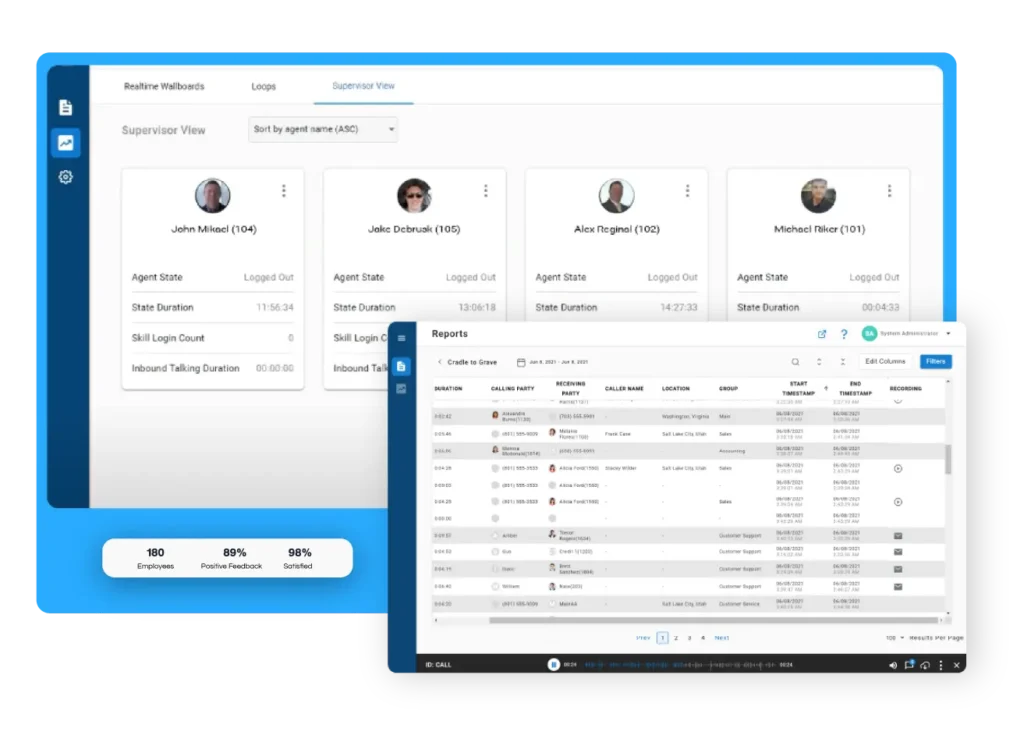
Once your systems are in the cloud, continuous monitoring is essential. Use analytics tools to track key performance indicators (KPIs) like application response times, uptime, and user experience. Regular monitoring helps you identify and address performance bottlenecks before they impact your business. Xima provides robust reporting and analytics tools that give you deep insights into your operations.
8. Optimize Resources and Security
The cloud’s pay-as-you-go model can lead to significant cost savings, but only if resources are managed effectively [1]. Regularly review your cloud usage to identify and eliminate underutilized or unnecessary services. This practice, known as FinOps, is critical for controlling costs [2].
Security also remains a top priority post-migration. Implement a regular cadence of security audits, keep systems updated, and enforce strong data backup strategies to protect your environment from evolving threats and ensure ongoing compliance.
Make Your Move to the Cloud with Xima
Migrating from on-premises infrastructure to the cloud offers a powerful path to greater flexibility, efficiency, and innovation. By carefully assessing your needs, creating a robust strategy, and actively managing your new environment, your organization can fully realize the benefits of cloud technology. The process can seem daunting, but with the right partner, it becomes a manageable and rewarding journey.
Ready to transition your contact center to the cloud? Xima’s CCaaS solutions are designed for a seamless migration, offering a secure, scalable, and feature-rich platform. Book a demo today to see how Xima can simplify your move to the cloud.