
In today’s increasingly virtual landscape, this has evolved into digital customer engagement, where interactions increasingly occur through online platforms, mobile apps, social media, and other digital channels. This shift not only reflects changing consumer behaviors but also highlights why mastering digital engagement is essential for modern companies that want to remain competitive in a connected world.
What Is Digital Customer Engagement?
Digital customer engagement involves the use of online channels to interact with and build relationships with customers. Unlike traditional customer engagement, it relies on digital platforms to create real-time, personalized, and scalable experiences.
Digital customer engagement can be carried out through a variety of virtual channels, including:
- Social Media – Brands engage with customers through comments, direct messages, and posts on platforms like Instagram, LinkedIn, or X.
- Live Chat Support – Real-time conversations on a company’s website or app provide instant help, improving customer satisfaction and reducing wait times.
- Personalized Emails – Tailored messages based on customer behavior, preferences, or purchase history strengthen relationships and encourage repeat business.
- Interactive Content – Quizzes, polls, and streaming invite active participation, making engagement more immersive and memorable.
- Mobile Apps – Businesses use apps to offer personalized experiences, push notifications, and loyalty rewards that keep customers connected on the go.
How to Build a Strong Digital Engagement Strategy
Building a strong digital engagement strategy involves not just using multiple channels, but making sure communication flows seamlessly across them all. This way, if a customer begins a conversation on social media and later follows up by email, customer service agents can access the full context of past interactions for a smoother experience.
Posting quality content, prioritizing personalization, and fostering a sense of community also helps capture attention and encourage customers to return and engage consistently.
Personalization
Personalization is essential for digital customer engagement because it allows businesses to treat customers as individuals rather than just data points, fostering stronger connections and loyalty. By leveraging customer data, companies can tailor experiences—whether it’s through personalized product recommendations, targeted email campaigns, or dynamic website content that adapts to user behavior.
This individualized approach not only makes customers feel more valued but also drives measurable results, as 80% of consumers are more likely to buy from a brand that offers a personalized experience.
Omnichannel Communication
A seamless omnichannel experience is vital in digital customer engagement because it ensures that interactions across all channels—whether web, email, social, or chat—are connected and consistent, creating a unified journey for the customer.
Unlike multi-channel communication, where each channel operates independently, omnichannel communication integrates these touchpoints so that conversations and data carry over no matter where the customer engages. This has become a general expectation in recent years, and research shows that 70% of consumers will spend more with companies that provide seamless conversational experiences—making it a key driver of loyalty and revenue growth.
Creating Engaging and Interactive Content
When it comes to digital customer engagement, creating quality content is far more impactful than simply producing large quantities of content, as valuable, relevant material builds trust and keeps audiences genuinely interested. High-quality content resonates with customers, answers their needs, and positions a brand as a trusted authority.
Interactive formats like polls, quizzes, videos, and live webinars take this a step further by encouraging customers to actively participate rather than passively consume, creating memorable experiences that foster deeper connections and ongoing engagement.
Timely and Proactive Support
Real-time communication is crucial for ensuring timely and proactive support because it gives customers instant answers and reassurance when they need it most. While offering the option to reach out via email remains important for those who prefer asynchronous support, businesses that fail to provide immediate communication options risk losing customers who aren’t willing to wait for a response.
Chatbots are especially effective in delivering quick solutions to common questions, while proactive service—such as sending shipping notifications or personalized check-ins—helps anticipate needs and builds long-term trust with customers.
Building a Digital Community
Building a digital community helps foster a sense of belonging among customers, strengthening relationships and increasing brand loyalty by making people feel part of something bigger than just a transaction. Online forums, social media groups, and user-generated content all play a key role in encouraging customers to share experiences and promote your brand organically, often turning them into enthusiastic advocates.
A great example of this can be found with LEGO, which has built a thriving digital community where fans submit their own designs through LEGO Ideas; not only does this engage customers creatively, but it has also led to successful new product launches inspired directly by community contributions.
Why is Digital Customer Engagement Important?
The importance of digital engagement begins with meeting customers where they are—which is increasingly online across multiple platforms and devices. When executed effectively, it can deliver substantial rewards, from improved customer experiences to stronger brand loyalty and increased long-term value:
- Building Brand Loyalty – Engaged customers are more likely to return, make repeat purchases, and stay committed to your brand over time.
- Improving Customer Experience – Meaningful interactions show customers that you’re listening and make them feel valued and understood.
- Boosting Brand Reputation – Positive digital experiences can turn satisfied customers into enthusiastic brand advocates who promote your business.
- Gathering Valuable Insights – Interactions provide feedback and behavioral data that help businesses refine products, services, and marketing strategies.
- Increasing Revenue Opportunities – Engaged customers are more receptive to upsells, cross-sells, and personalized offers, driving higher sales and profitability.
Getting Started with Your Digital Engagement Strategy
To optimize digital customer engagement, it’s essential to follow a set of proven best practices that provide structure and focus for your strategy.
You’ll start by looking internally to identify the objectives you want to achieve, which will guide the direction of your engagement efforts. From there, you can build your strategy to ensure it aligns with customer expectations and remains relevant as your business and audience evolve.
1. Define Your Goals
Having clear objectives in mind before starting any engagement efforts is critical because it ensures your strategy is focused and measurable, preventing wasted time and resources.
Different goals require different approaches—for example, campaigns aimed at brand awareness might prioritize social media reach, while lead generation efforts could focus on capturing contact information through interactive content. Similarly, strategies targeting customer loyalty would emphasize personalized experiences and rewards to keep existing customers engaged and returning.
2. Define Your Audience
Next, you’ll need to identify your target audience—this step is crucial because it allows you to tailor your messaging to resonate with the specific demographic you want to reach.
Understanding your audience also helps determine which digital channels will be most effective for engagement. For example, younger users may prefer platforms like Instagram and TikTok, while more traditional audiences might respond better to email or live chat communications.
3. Implement Your Content Strategy
Businesses also need to implement a well-defined content strategy, taking into account both their target audience and brand identity to ensure that all content resonates with customers while staying true to the brand image they’ve built over time. A structured approach—including formats like blog posts, videos, infographics, or interactive content—helps address specific customer pain points and guide them through the buyer journey.
Without a thoughtful content strategy, companies risk producing inconsistent content that fails to engage customers, dilutes brand messaging, and misses opportunities to build trust and loyalty.
4. Build and Nurture Community
Building an online community is a powerful way to deepen customer engagement and foster brand loyalty, as it creates a space where customers feel connected to both your brand and each other.
Actionable ways to engage include actively responding to comments on social media, highlighting and sharing user-generated content, and encouraging conversations that show you value customer input. Additionally, creating dedicated spaces like forums or private groups allows customers to interact with one another, share experiences, and discuss your products or services—which not only strengthens community bonds but also turns passionate users into brand advocates.
5. Measure and Iterate
Digital customer engagement requires more than a set-it-and-forget-it approach, as ongoing measurement and iteration are essential to ensure your content remains relevant and your efforts are focused on the most effective channels. Data plays a critical role in informing these decisions, revealing which messages resonate, which platforms drive the most engagement, and where improvements are needed.
For example, an e-commerce company might analyze click-through rates and engagement metrics from email campaigns and discover that video content performs significantly better than static images, prompting them to adjust their strategy to include more video-based messaging.
How to Measure Digital Engagement Success
You can evaluate the success of your digital engagement strategy by tracking a range of engagement metrics that show how customers interact with your content. Various key performance indicators (KPIs)—such as click-through rates, time on page, and social shares—provide valuable insights into which efforts are most effective and where improvements are needed:
- Social Media Likes, Shares, and Comments – Indicate how well your content resonates with your audience and how actively they engage with your brand online.
- Email Open and Click-Through Rates – Show how effectively your emails capture attention and encourage recipients to take desired actions.
- Website Dwell Time – The amount of time users spend on your site reveals how engaging and relevant your content is to visitors.
- Customer Satisfaction Scores (CSAT) – Measure how happy customers are with their experiences, providing insight into the quality of your engagement.
- Conversion Rates – Track how many users complete desired actions, such as making a purchase or signing up for a newsletter, showing the effectiveness of your engagement efforts in driving results.
Tools You’ll Need for Digital Engagement
Organizations have a variety of tools available to them that can help make digital customer engagement more efficient, effective, and cohesive across multiple platforms. By leveraging these solutions, businesses can optimize their engagement efforts while freeing employees to focus on higher-value tasks rather than time-consuming administrative or technical work.
- Social Media Management Platforms – These tools allow businesses to schedule posts, monitor brand mentions, and analyze performance across multiple social media platforms from a single dashboard.
- Customer Relationship Management (CRM) Software – A CRM serves as a centralized database for storing and managing customer information, including contact details, preferences, and interaction history. It helps track customer interactions across the entire journey—from initial contact to post-purchase support—enabling more personalized and effective engagement.
- Email Marketing Services – Email marketing platforms automate campaigns, manage subscriber lists, and allow for segmentation, making it easier to send targeted messages. This enables personalized communication at scale, improving open rates, click-through rates, and overall customer engagement.
- Live Chat and Chatbot Tools – Live chat provides real-time support through human agents, while chatbots offer automated responses for common questions and 24/7 availability. Together, they ensure customers receive timely assistance, reducing response times and improving the overall user experience.
- AI and Automation – AI-powered contact centers leverage chatbots, virtual assistants, and analytics to automate repetitive tasks while delivering personalized, real-time responses to customers. This not only increases efficiency but also enhances engagement by providing timely, relevant interactions without overloading human agents.
Digital Customer Engagement: Your Next Steps
Digital customer engagement has become essential for the success of any modern business, as most customers now spend a significant portion of their time in online and virtual spaces. By following tried-and-true best practices, continually adjusting your approach, and leveraging the right tools, you can create consistently meaningful interactions that resonate with your audience.
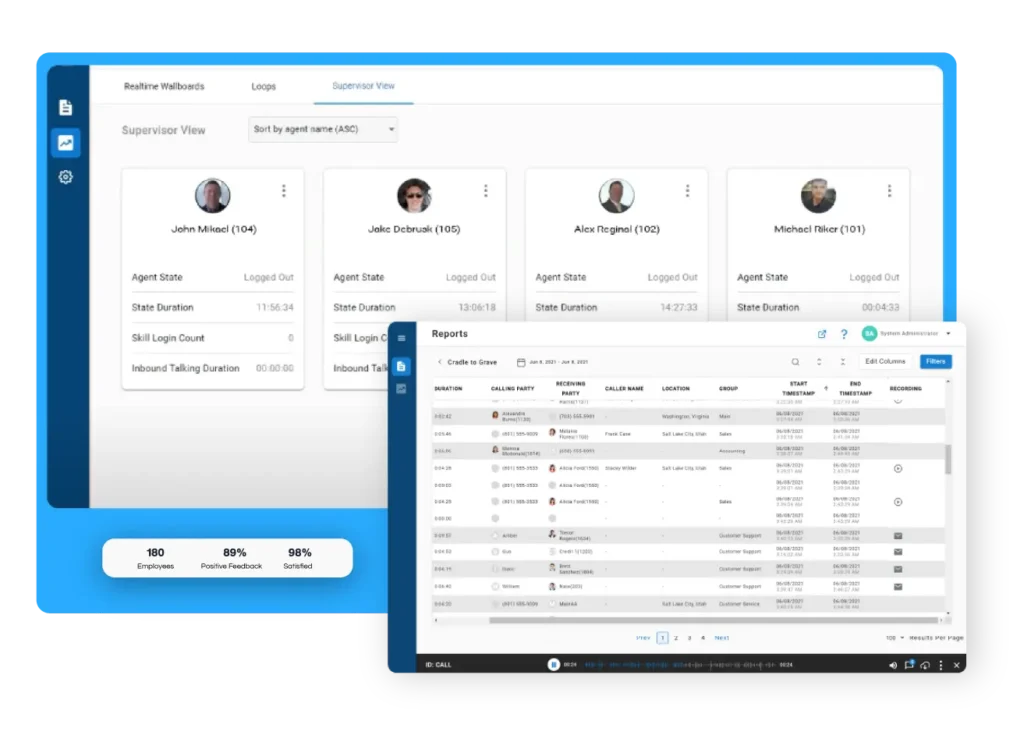
For many organizations, the “right tools” include Xima Software, which unifies communications and manages complex customer interactions from a single platform. Its powerful functionality and flexibility make it suitable for diverse teams across industries, enabling a seamless and satisfying customer experience across all digital channels.
Ready to experience the power of Xima for yourself? Sign up for a demo today to see why Xima is the all-in-one-solution for your digital customer engagement needs.
FAQs About Digital Customer Engagement
Digital marketing focuses on promoting products and attracting customers, while digital customer engagement emphasizes building ongoing relationships and meaningful interactions with those customers.
You can start small by using cost-effective solutions like Xima, which offers comprehensive functionality to centralize communications and manage interactions without breaking the bank.
A digital engagement tool is software that helps businesses interact with customers across online channels, track engagement, and provide personalized, real-time experiences.