
What often gets overlooked is the long-term responsibility that comes with that decision. Building a system is only the beginning. Ongoing maintenance, updates, integrations, and scalability all require continuous effort and investment.
This comparison looks at the tradeoffs between managing a custom-built solution and choosing a configurable cloud contact center like Xima, which is designed to support growing support teams without the burden of constant development.
Key Takeaways for SMBs Considering Build vs Buy
- Custom-built systems offer architectural control but require sustained development ownership.
- Cloud platforms shift infrastructure, updates, and reporting structure to the provider.
- Reporting and integration upkeep are often underestimated in custom builds.
- Long-term maintenance typically outweighs initial build flexibility for small teams.
- The right decision depends on internal engineering capacity and growth trajectory.
Xima’s contact center solutions for small businesses are the buy side of this decision.
Why Small Businesses Consider Custom Contact Center Builds
SMBs often explore custom contact center builds in pursuit of a solution that fits their exact needs. Tailored workflows, deeper integrations with existing systems, and full control over infrastructure can all make a custom approach feel like the best decision. In some cases, unique operational requirements drive the decision. In others, it stems from frustration with past vendors that could not deliver the level of flexibility or performance expected.
That initial appeal leads to a more important question over time: Does the value of customization outweigh the ongoing responsibility of building, maintaining, and evolving the system as the business grows?
What Custom-Built Contact Centers Actually Require
A custom-built contact center may involve an internally developed system, a heavily customized open-source framework, or a platform created through an outsourced development partner. In each case, the business owns and is responsible for the system’s architecture, functionality, and long-term performance. That level of ownership brings flexibility, but it also introduces ongoing technical responsibility that extends far beyond the initial build.
Development and Launch Timeline
Building a contact center solution requires careful planning before any code is written. Teams need to define requirements, design system architecture, and map out how features like routing, reporting, and integrations will function. Development then moves through multiple cycles of building, testing, and refinement, often followed by a phased rollout to reduce risk. Timelines can stretch depending on complexity, and delays are common as new requirements surface during the process.
Ongoing Maintenance and Security Responsibility
Launching the system is only the starting point. Ongoing maintenance is a continuous effort that includes patching vulnerabilities, monitoring system performance, and applying updates to keep everything running smoothly. Security responsibilities also fall entirely on the business, including protecting customer data and meeting compliance requirements. Without consistent attention, systems can quickly become outdated or exposed to risk. Because of this, custom-built call center systems often require a dedicated IT team.
Integration and Reporting Ownership
Custom solutions also require SMBs to take full ownership of integrations and reporting capabilities. CRM connections, analytics dashboards, quality assurance tools, and performance reporting must all be built and maintained internally. As business needs evolve, these components often require updates or rework, adding to the long-term development workload.
How Xima Approaches Flexibility
Xima’s contact center platform delivers flexibility through configuration, not custom code. Small and midsize businesses can tailor workflows, routing logic, reporting dashboards, and integrations directly within the platform, without relying on internal development teams or external build cycles. This allows support teams to adapt quickly as needs change, while keeping the system stable and easy to manage over time.
Flexibility does not have to come at the cost of maintainability. With Xima, teams can customize their contact center environment while relying on a platform that is continuously supported, updated, and optimized without adding to their internal workload.
Operational Comparison: Custom-Built Solutions vs Xima
Below is a quick overview highlighting the key operational differences between Xima and custom-built contact center solutions for SMBs.
Operational Area | Custom-Built | Xima |
Initial Setup | Development and configuration required | Rapid deployment with pre-built structure |
Workflow Updates | Code changes and testing cycles | Configuration-based updates |
Reporting | Custom dashboards and analytics development | Built-in, customizable reporting aligned to contact center KPIs |
Maintenance | Ongoing engineering oversight | Provider-managed updates and maintenance |
Security | Internally managed standards and audits | Managed security and compliance controls |
Scalability | Dependent on architecture decisions | Scales with subscription model |
The contrast here is less about capability and more about responsibility. Custom-built systems offer control but require sustained internal investment across maintenance, reporting, and compliance efforts such as PCI and HIPAA. Platforms like Xima embed those responsibilities into the product itself, helping teams uphold security and compliance standards without shouldering the full burden internally.
Long-Term Maintenance
What happens after launch often defines the true cost of a custom-built contact center. Initial development may meet immediate needs, but ongoing adjustments quickly become part of day-to-day operations. Feature updates, new integrations, security patches, and performance tuning all require continued developer involvement. Over time, these incremental efforts can slow down support teams and strain internal resources.
Post-Launch Enhancement Cycles
SMB needs are rarely static. New feature requests, workflow adjustments, and evolving customer expectations require regular system updates. Each change typically involves engineering time for development, testing, and deployment. What starts as small enhancements can turn into a steady cycle of requests that compete with other technical priorities across the organization.
Security and Compliance Updates
Security and compliance responsibilities also continue long after launch. Maintaining standards such as PCI and HIPAA requires consistent updates to encryption practices, infrastructure, and data handling processes. Monitoring for vulnerabilities and applying patches are ongoing requirements. As these demands grow, the effort needed to keep systems secure and compliant increases.
Reporting and Visibility Without Engineering Overhead
Reporting is often underestimated in custom contact center builds. Dashboards, performance metrics, and quality assurance tracking demand thoughtful design, consistent data structuring, and ongoing iteration as business needs evolve. What seems straightforward at the start can quickly turn into a complex effort that depends on engineering resources to build, refine, and maintain visibility into performance.
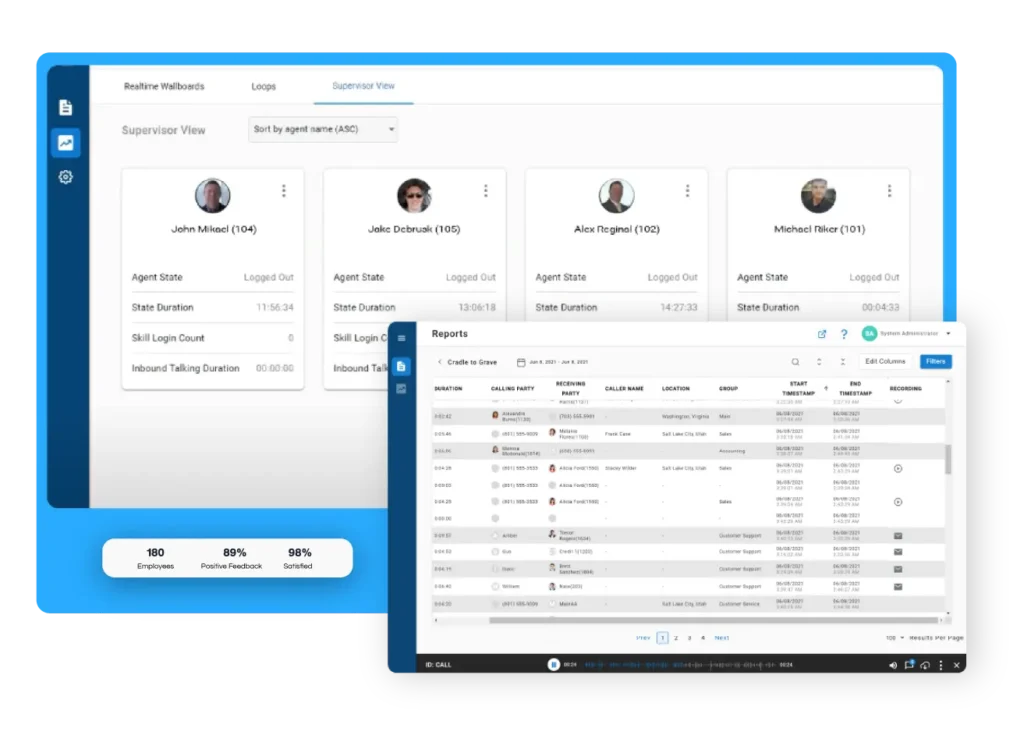
Platforms like Xima approach reporting differently. Structured dashboards and contact center metrics are built into the platform from the start, giving teams immediate access to the insights they need without custom development. For more specific needs, Xima also offers custom reporting options supported by a team of US-based experts, helping businesses extend their analytics without building and maintaining those systems internally.
Integration Flexibility vs Integration Responsibility
Custom-built contact center systems offer broad integration flexibility. In theory, they can connect with any CRM, ticketing system, or internal tool. In practice, every integration must be designed, developed, tested, and maintained over time. As systems evolve or third-party platforms update their APIs, those connections require ongoing attention to prevent disruptions.
Xima delivers integration flexibility through a more sustainable approach. Pre-built integrations and a managed API environment enable businesses to connect key systems without relying on continuous internal development and upkeep.
Cost Over Time, Not Just at Launch
Initial build cost is often the most visible factor when evaluating a custom contact center solution, but it rarely reflects the full financial picture. Ongoing developer time, infrastructure hosting, system monitoring, and continuous enhancement cycles all contribute to the total cost. As new requirements emerge and systems need to scale, these expenses can grow in ways that are difficult to predict at the outset.
Subscription-based platforms like Xima bundle hosting, updates, and ongoing improvements into packages. This structure helps reduce unexpected costs and limits the need for continuous internal investment.
Is Custom Flexibility Worth Ongoing Development Responsibility?
Before committing to a build, consider how much internal time and budget you are prepared to dedicate to maintaining and evolving your system year after year.

When Internal Development Resources Are Already in Place
Custom-built contact centers can make sense in specific scenarios. Organizations with dedicated engineering teams and established development processes may be better equipped to support ongoing system ownership. Highly specialized compliance requirements or proprietary product integrations can also justify a custom approach, especially when off-the-shelf platforms don’t meet strict technical or regulatory needs. In these cases, the ability to control every layer of the system may outweigh the added responsibility.
When a Configurable Cloud Platform Supports Growth
For many growing businesses, operational simplicity is more valuable than full architectural ownership. Teams that are expanding support functions, formalizing queue management, or improving reporting visibility often benefit from a platform that is ready to scale without constant development work. Clear dashboards, structured workflows, and built-in performance metrics help teams make faster decisions without relying on engineering resources.
Xima’s platform supports predictable scaling while keeping systems manageable over time. As support volumes increase and processes mature, teams can adapt within the platform without introducing new layers of technical complexity.
Evaluating Your Internal Capacity
Choosing between a custom-built system and a configurable platform starts with an honest assessment of internal capacity. Engineering resources, reporting expertise, and security management all play a role in long-term success.
This decision reflects how your organization is structured to sustain and grow a contact center over time. Teams that underestimate these demands often need to shift resources or delay other priorities to keep systems operating effectively.
Build vs Buy Contact Center Software
The choice between building and buying contact center software comes down to control, responsibility, and long-term sustainability. Custom solutions offer flexibility but require continuous investment to maintain performance, security, and reporting. Configurable platforms provide a structured alternative that supports growth while keeping systems easier to manage.
If your goal is to scale your contact center without adding ongoing development complexity, Xima offers a platform designed to deliver flexibility, visibility, and reliability from day one. Book a demo today to see how Xima can support your SMB.
FAQs
Most small businesses benefit from buying a configurable contact center platform. It provides faster deployment, built-in reporting, and ongoing support without requiring dedicated engineering resources.
Long-term custom-built contact center costs include developer time, hosting, security updates, compliance management, integrations, and continuous enhancements.
A configurable cloud platform offers flexibility through built-in tools and settings, whereas a custom solution requires ongoing development. The key difference is how much internal effort is required to maintain and evolve the system.
Maintenance for custom contact centers typically requires engineers for updates and integrations, security oversight for compliance and data protection, and resources for reporting, monitoring, and performance optimization.
Complexity increases when ongoing development needs outpace available resources, reporting becomes difficult to maintain, or compliance and security demands require consistent attention without dedicated support.