Why Contact Center Decisions Stall, and How to Unstick Them

You know your current contact center platform isn’t working the way it should. Your team knows it. You’ve probably had the vendor conversations, sat through a demo or two, and made a mental note to push this forward. And then Q2 arrived and somehow the decision is still sitting exactly where it was. You’re not […]
Xima vs. Dialpad Contact Center Solutions for Small Businesses

Choosing the right platform for your small business’s communication and customer experience strategy is not just about features. It is about how your organization operates every day. Some businesses need a unified communications system built to connect internal teams across calls, messaging, and meetings. Others require a purpose-built contact center solution designed to optimize performance, visibility, and customer interactions at scale.
From First Contact to Final Score: The Unified Power of Xima AI

Discover how Xima AI bridges the gap between customer interactions and actionable intelligence by uniting front-end automation with total back-end visibility. This unified ecosystem transforms the contact center from a high-cost manual operation into a seamless, data-driven engine that reviews 100% of your calls.
Cloud Contact Center Migration: Essential Do’s & Don’ts

Migrating your contact center to the cloud? Follow our essential do’s and don’ts to avoid costly pitfalls, leverage AI, and maximize your ROI.
Reduce Call Abandonment with 7 Expert Tips for 2026

Reduce call abandonment in your contact center. Discover 7 expert tips using queue callback, self-service, and AI to improve customer experience.
The Complete Guide to Cloud Migration for Contact Centers

Ready for contact center cloud migration? This guide offers a step-by-step strategy to boost CX, reduce costs, and scale your operations with CCaaS.
The ROI of Modernizing Your Contact Center in Challenging Times

When budgets are tight, every investment gets scrutinized. And modernizing your contact center? That’s the kind of project that gets pushed to “maybe next year” pretty quickly. It feels like a big spend. Implementation sounds disruptive. And the return on investment seems fuzzy compared to something like adding salespeople or launching a marketing campaign. But […]
Xima vs. Talkdesk for Growing SMB Contact Centers

As small and mid-sized contact centers grow, they often reach a breaking point. Call volume increases, agent teams expand, and customer expectations rise, while basic phone systems and lightweight reporting tools begin to fall short. Visibility becomes fragmented, quality monitoring becomes inconsistent, and managers spend more time chasing data than improving performance.
What Are Unified Customer Experience Solutions? How Cloud Omnichannel Platforms Eliminate Data Silos
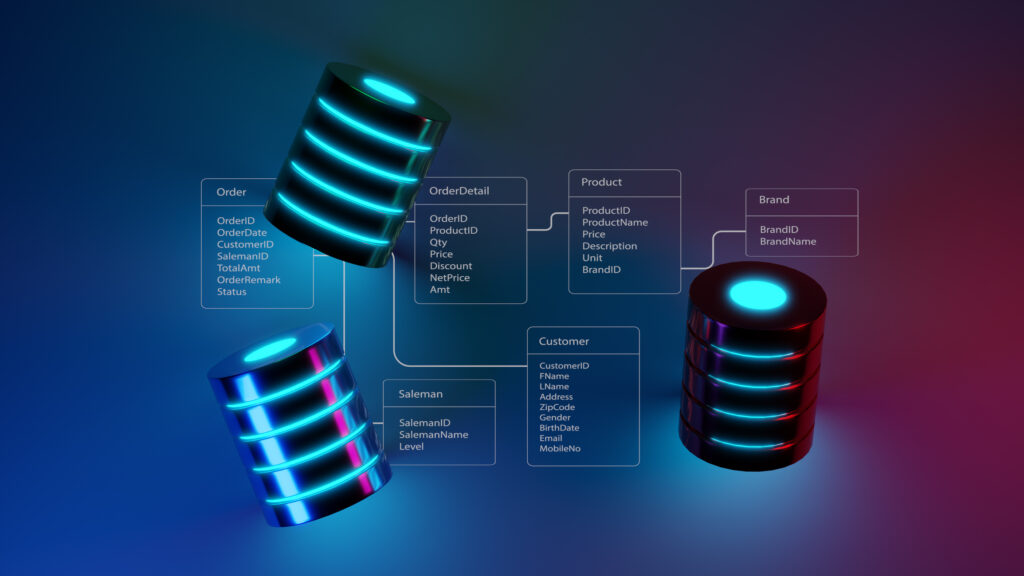
Siloed systems cause fragmented CX, agent burnout & blind spots in reporting. See how a unified omnichannel platform solves all three in one system.
How Xima’s CCaaS Drives ROI for Mid‑Size Firms in 2026

See why Xima offers the best CCaaS for mid-sized businesses in 2026. Learn how to drive measurable ROI via cost savings, efficiency, and enhanced CX.